Subletting your place for the summer as a UBCO student
By Partha Ladkat
2025-03-18
Share:
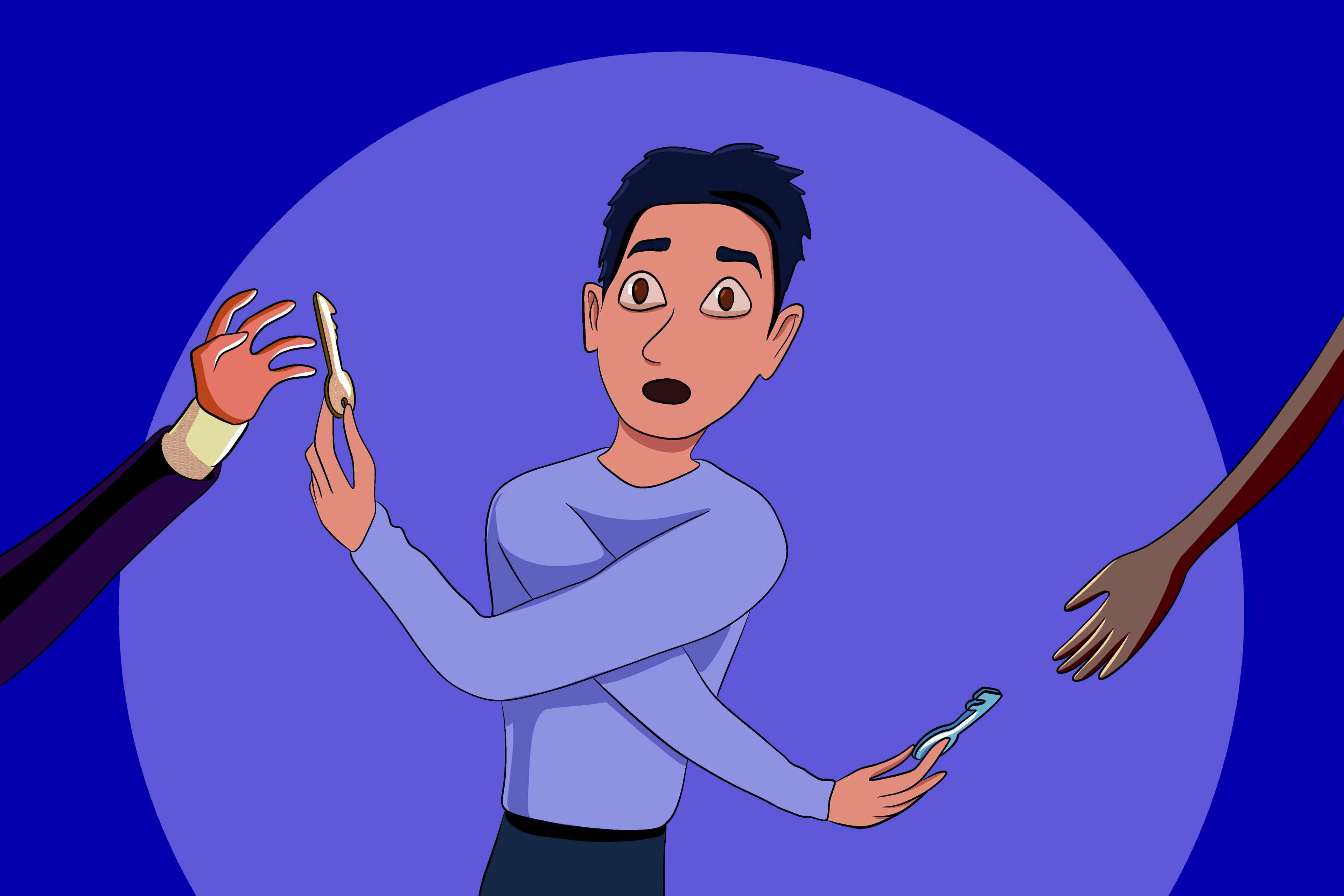
If you're a UBC Okanagan student planning to head out of Kelowna for the summer, whether for travel, an internship, or just a break, subletting your place can be a smart way to make sure you're not on the hook for rent during the summer months. Subletting your place can be a great solution, allowing you to avoid paying rent for an empty apartment while you’re away. However, before you hand over the keys to someone else, there are some important things you need to know to ensure everything goes smoothly.
This guide will break down everything UBC Okanagan students need to know about subletting, from understanding your rights and responsibilities to finding a subtenant and making sure you’re legally covered.
What Does It Mean to Sublet?
In simple terms, subletting is when you rent out your apartment or room to someone else (called the subtenant) while you're away, but you remain responsible for the lease with your landlord. Essentially, you’re passing on the responsibility for living in the space, but your landlord still holds you accountable for things like rent payments, maintenance, and following the lease terms. This makes subletting a convenient option if you're heading out for the summer but don’t want to break your lease.
Is Subletting Legal in BC?
Yes, subletting is legal in British Columbia, but there are a few important rules to follow. According to the Residential Tenancy Act (RTA), a tenant can sublet their unit, but only with the landlord's written consent. Your landlord cannot unreasonably refuse permission to sublet, but they do have the right to approve or deny the person you want to sublet to. It’s essential to communicate openly with your landlord about your intentions to sublet to avoid any misunderstandings.
Why Subletting is a Good Option for Students
Save Money: Instead of paying for an empty rental unit during the summer, subletting allows you to collect rent from a subtenant, reducing or even covering your rent costs.
Maintain Your Lease: Subletting allows you to keep your lease in place without worrying about finding a new place to live when you return. It’s especially useful if you have a longer lease and want to hold onto your place while you’re away.
Flexibility: Subletting offers flexibility, especially if you’re unsure about where you’ll be spending the summer. It allows you to focus on your travels, work, or internship without the stress of managing a vacant apartment.
Step-by-Step Guide to Subletting Your Rental
1. Check Your Lease Agreement:
Before you even think about subletting, carefully review your lease agreement. Some leases have clauses that specifically prohibit subletting, while others may have restrictions on who you can sublet to or the length of time you can sublet. If your lease doesn’t allow subletting at all, you’ll have to either negotiate with your landlord or find another solution, like breaking your lease or looking for a temporary roommate.
2. Obtain Your Landlord’s Written Permission:
According to the Residential Tenancy Act, you must get written consent from your landlord before subletting. Even if your lease doesn’t mention subletting, it’s always a good idea to ask for approval in writing. You can do this by writing a formal request outlining your intention to sublet, the duration, and information about the person you want to sublet to. Make sure to leave enough time for your landlord to review and respond.
While landlords can't unreasonably deny subletting requests, it’s important to remember that they can refuse based on valid reasons, such as concerns over the subtenant’s reliability or potential damage to the property. If your landlord rejects your request, you might want to ask for a specific reason and see if you can address it.
3. Find a Reliable Subtenant:
Once you’ve got your landlord’s permission, it’s time to find a subtenant. Since you’re likely going to be away for the summer, it’s important to find someone who is responsible, trustworthy, and reliable. You’ll still be responsible for rent payments, property upkeep, and any issues that arise, so choosing the right person is key.
Here are some tips to help you find a good subtenant:
University Communities: Reach out to other UBC Okanagan students, as they’re the most likely to be looking for short-term summer accommodation. You can post on UBC Okanagan housing Facebook groups, bulletin boards, or websites like RentalHunt.
Friends and Classmates: If you know anyone who’s looking for a place to stay, consider offering the space to them. Renting to someone you know can offer peace of mind.
Tenant Screening: If you’re not familiar with the person, ask for references and check them. Make sure they have a steady source of income and can prove they’re reliable with payments.
4. Inspect the Property Before Subletting:
To avoid any disputes with your landlord when you return, conduct a detailed inspection of your place before the subtenant moves in. Take photos or video of the apartment, focusing on any existing damage, wear and tear, or issues with appliances. This will provide a record that you can refer to in case there are any disputes at the end of the sublet.
5. Stay in Communication with Your Landlord:
While you’re away, stay in touch with your landlord in case anything goes wrong. Regular communication can help avoid misunderstandings and ensure that everyone is on the same page. If you’re relying on your subtenant to handle repairs or maintenance, make sure your landlord knows how to reach them.
6. Get Renters Insurance (Optional but Recommended):
While not required, renters’ insurance can provide additional protection for your belongings during the sublet. This can be especially useful if your subtenant damages something in your unit or if there’s an accident. It's a small investment that can save you a lot of trouble down the line.
Common Issues to Be Aware Of
Non-payment of Rent: If your subtenant doesn’t pay rent, you’re still responsible for making the payment to your landlord. Make sure you set up a system where your subtenant pays you on time, and follow up with them if necessary.
Damage to the Property: If your subtenant damages the apartment, you’ll be responsible for the repair costs. Protect yourself by doing a thorough move-in inspection and holding your subtenant accountable for taking care of the space.
Early Termination of the Sublet: If your subtenant decides to leave early, you may have trouble finding someone to fill the space. This could leave you responsible for paying rent for the remainder of the summer.
Where to Find More Information
If you need more details about subletting or your rights as a tenant, here are a few useful resources:
UBC Okanagan Housing Office: The housing office can help guide you through housing-related questions and give you advice about subletting.
BC Housing: Visit BC Housing for more information on tenant rights and responsibilities.
Residential Tenancy Branch (RTB): The RTB offers resources about subletting, your rights as a tenant, and how to resolve tenancy disputes.
Ending Notes
Subletting your rental for the summer is a great way to keep your place while you’re away and avoid paying for an empty apartment. By following the steps outlined in this guide —getting your landlord’s written permission, finding a responsible subtenant, and creating a clear sublet agreement — you can ensure a smooth and stress-free subletting experience. So go ahead, enjoy your summer adventures without worrying about your rent!